

When Sarah first stepped into management, she struggled to inspire her team until she discovered the power of diverse leadership styles. This story reveals surprising insights that could transform how you lead and create stronger, more motivated teams. Are you ready to rethink your leadership approach?
Rethinking Leadership Styles: An Editorial Perspective
“Leadership is not about a title or a designation. It’s about impact, influence, and inspiration.” – Robin S. Sharma
Let’s face it: most people think leadership styles are simply about being “the boss.” But real leaders know practical leadership skills are about more than barking orders or having your name on the office door. The truth? The style of leadership you adopt could shape your team’s culture, unlock motivation, or send talent packing. Many organizations cling to the myth that only strong, top-down leadership gets results. Still, this outmoded thinking stifles innovation and engagement as we pull back the curtain on various leadership styles—visionary, servant, coaching, democratic, bureaucratic, and autocratic. We’ll expose the strengths, weaknesses, and hidden costs of defaulting to authority. If you want to make decisions that grow both your business and your team members, it’s time to rethink what leadership is all about.
As you explore the nuances of leadership styles, it’s also valuable to consider how these approaches directly impact your team’s ability to adapt and thrive. For a practical look at how leadership style flexibility can drive sustainable business results, check out our guide on scaling your business quickly while minimizing risk—a resource packed with actionable strategies for leaders at every stage.

What You’ll Learn About Leadership Styles
-
What defines effective leadership styles
-
Surprising realities vs. popular myths
-
The strengths and weaknesses of major leadership styles
-
Why the authoritarian style may hinder, not help, your growth
-
How to enhance your leadership skill set
The Real Impact of Leadership Styles — Sarah’s Story
How Diverse Leadership Styles Changed One Team’s Trajectory
“Before I explored different leadership syles, I assumed authority equaled respect. I was wrong.” – Sarah, mid-level manager
Sarah’s journey into management began with a mindset shaped by classic, autocratic leadership style. She quickly discovered, though, that strict rules and a top-down approach left her team members disengaged and sparked tension in her work environment. Frustrated, she started exploring other leadership styles, especially servant leadership and coaching leaders. The transformation was remarkable. Her team began to trust each other and their leader; collaborative sessions replaced tense status meetings, and innovation flourished. By involving all team members in decision-making, Sarah’s leadership became a catalyst rather than a stumbling block. Her story is a real-world example that demolishes the myth that effective leadership relies on just one style. As Sarah discovered, the best leaders adapt to fit their teams’ needs, using empathy, communication, and trust as building blocks.

Understanding Leadership Skill vs. Leadership Styles
Why Leadership Skill Depends on More Than One Leadership Style
It’s tempting to equate leadership skill solely with a particular leadership style, but true leadership skills require flexibility across multiple leadership styles. But effective leaders know true leadership skills are about agility. Think about it: the common leadership styles, visionary, servant, autocratic, and democratic, each offer different strengths in different situations. If you stick to one rigid leadership style, your ability to solve problems, inspire your team, or respond to challenges will hit a wall. Strong leadership skill means you can pivot between coaching leaders and visionary leaders approaches when your team members need encouragement, step in decisively when tough decisions arise, and know when to collaborate or provide direction. In short, relying on more than one style turns you into a well-rounded and dynamic leader who can build trust, motivate others, and create a positive work environment.
Breaking Down Common Leadership Styles
| Comparison of Common Leadership Styles | ||||
| Leadership Syle | Primary Trait | Pros | Cons | Best For |
|---|---|---|---|---|
| Visionary | Inspiration & Strategic Foresight | Motivates teams, sets clear direction | Can overlook details, risks, and detachment | Times of change or growth |
| Servant | Empathy & Service | Builds trust, encourages collaboration | May struggle with authority, slow decisions | Building culture, teamwork |
| Coaching | Development & Guidance | Fosters growth, develops talent | Time-intensive, needs strong mentoring skills | Talent development, learning environments |
| Democratic | Inclusivity & Collaboration | Values input, high team engagement | Slow decision-making, possible indecision | Creative industries, group problem-solving |
| Bureaucratic | Process-Driven | Ensures consistency, reduces risk | Rigid, stifles innovation | Highly regulated environments |
| Autocratic | Centralized Control | Fast decisions, clear direction | Low morale stifles creativity | Crisis situations, quick turnarounds |
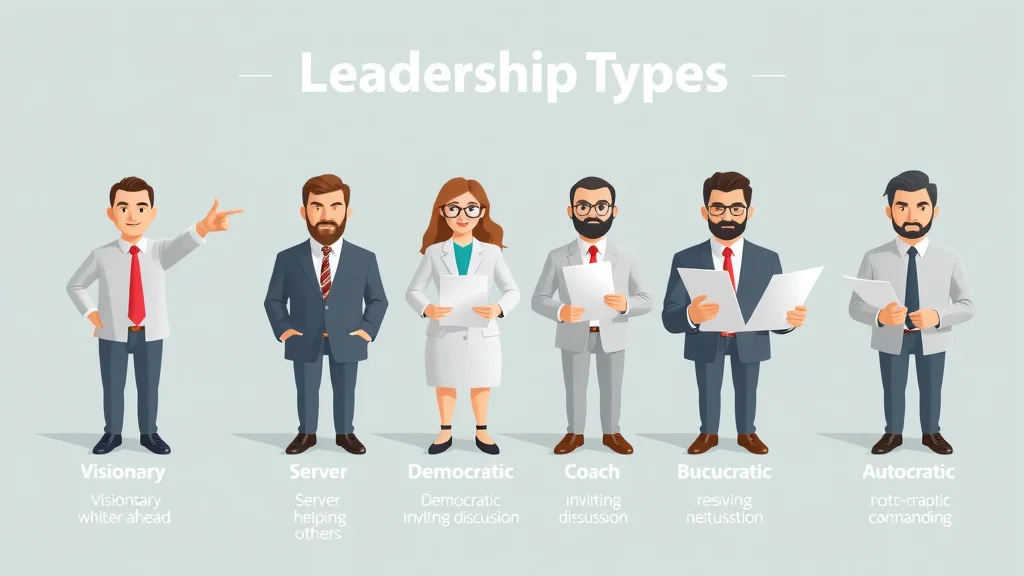
Visionary Leaders: The Pathfinders
Visionary leaders are the trailblazers who inspire teams, set bold directions, and motivate people to reach new heights. Their leadership style is about painting a picture of what’s possible and rallying team members around a shared goal. Effective leaders of this type are particularly valuable during periods of change, rapid growth, or uncertainty. They provide clarity when the path ahead is foggy. However, the visionary approach isn’t perfect: focusing too much on the big picture can mean important details get overlooked. Visionary leadership skills shine brightest when they’re paired with team members who balance inspiration with implementation. In turbulent times, these leaders can unite people with hope and provide much-needed motivation for moving forward.
Servant Leaders: Putting People First
Servant leaders flip the traditional leadership style script by making their team’s needs their number one priority. They listen carefully, support growth, and focus on creating a positive, inclusive work environment. Unlike autocratic leaders who demand obedience, servant leaders empower others to make decisions and solve problems creatively, showcasing the power of servant leadership. Research shows that this leadership style builds trust and loyalty, which is essential for teamwork and long-term engagement. In practice, this means employees feel heard and valued, creating ripple effects throughout the organization. However, servant leaders need to strike a balance, ensuring support doesn’t turn into indecision or a lack of direction. When servant leadership skills are developed alongside clear communication and expectations, the result is a high-performing and deeply committed team.
Coaching Leaders: Fostering Growth
Coaching leaders bring out the best in their teams by focusing on professional development and personalized guidance, essential leadership skills for nurturing talent. This leadership style focuses on helping each team member reach their full potential through mentorship, feedback, and tailored opportunities. Coaching skills are especially important in organizations that prioritize employee growth and learning. The biggest strength? These leaders help teams grow from good to great by investing time and energy in individual development. The challenge lies in the time commitment; coaching leadership isn’t a quick-fix solution, and it requires ongoing engagement with team members. However, over time, organizations that weave coaching into their culture report stronger loyalty, improved performance, and a workforce eager to learn and adapt.
Democratic Leaders: Building Consensus
Democratic leaders create high-involvement teams where everyone’s input is valued. By fostering open dialogue and gaining consensus before making decisions, democratic leadership styles can significantly boost employee engagement and trust. Team members in these environments are empowered to solve problems and suggest creative solutions. While this can lead to breakthrough ideas, the flip side is that decision-making can slow to a crawl, especially when consensus is hard to reach. Still, for collaborative projects, creative industries, or complex problem-solving, democratic leadership brings out the best in a group. When paired with strong facilitation, this leadership style sets the stage for innovation and employee satisfaction.
Bureaucratic Leaders: Process and Procedure Oriented
Bureaucratic leaders are the guardians of rules, processes, and consistency. Their leadership style is well-suited for highly regulated industries, such as healthcare, finance, and government, where deviations from the norm can have serious consequences. These leaders make decisions based on established protocols, reducing risk and ensuring everyone follows the same playbook. However, this approach can quickly stifle creativity, agility, and motivation if overdone. Employees under bureaucratic leadership may feel constrained or disengaged, so it’s essential for bureaucratic leaders to find ways to encourage some flexibility and personal initiative within the system. When managed well, a bureaucratic leadership style provides the foundation for long-term stability.
Autocratic Leaders: Centralized Control
Autocratic leaders are the classic “my way or the highway” types, representing a strict autocratic leadership style. They make decisions quickly and expect team members to follow orders without much discussion. This leadership style works well in emergencies or high-stakes moments when there’s no time for debate. However, the disadvantages are hard to ignore: low morale, lack of creativity, and disengaged employees. Overuse of autocratic leadership skills leads to resentment and high turnover, two surefire signals that it’s time to rethink your approach. For most organizations, a little autocracy goes a long way, and blending it with more participative styles yields far better results for long-term effective leadership.
Transformational Leadership: Why It’s Essential Today
Traits of Transformational Leaders
Transformational leadership has become the gold standard in today’s workplace, with transformational leaders driving innovation and engagement. Transformational leaders are more than managers—they ignite passion and inspire people to go above and beyond their own expectations. What sets them apart? They combine vision with empathy, challenge their team to exceed boundaries, and provide individualized support. Transformational leaders display high emotional intelligence, adapt easily, and are relentless learners. Their leadership style fosters creativity, innovation, and a deep sense of commitment among team members. If you’re aiming for effective leadership that endures, start cultivating the mindset and skills of a transformational leader; you’ll see a ripple effect of positive change in both results and culture.

Transformational Leadership and Employee Motivation
The magic of transformational leadership lies in its effect on motivation, making transformational leaders key to boosting employee engagement. Transformational leaders nurture a sense of belonging and purpose, encouraging employees to embrace the company vision and invest emotionally in outcomes. This leadership style is particularly powerful in fast-changing industries where creativity and engagement drive success. Studies show an unmistakable link between transformational leadership, increased job satisfaction, and improved retention. The individual focus that transformational leaders place on team members listening, recognizing achievements, and encouraging growth translates into a workforce eager to tackle new challenges and reach their highest potential. In other words, transformational leadership may be your organization’s secret weapon for both innovation and loyalty.
“Transformational leadership is about inspiring followers to rise above their self-interests.” – Leadership Scholar
Servant Leadership: A Quiet Revolution
How Servant Leaders Build High-Trust Teams
Servant leadership flips workplace convention by focusing on serving others rather than commanding from above. Servant leaders create high-trust environments where psychological safety allows team members to take risks, make suggestions, and voice concerns without fear. Instead of hoarding power, servant leaders may delegate important decisions or ask for input before setting direction. These leaders champion autonomy and consistent support, seeing their own success as inseparable from their team’s growth. The result? Open communication, collaboration, and an enviable degree of loyalty. Organizations led by servant leaders often report lower turnover and higher morale, a testament to the impact a service-first mindset can have on both individuals and the broader work environment.

Servant Leadership vs. Traditional Leadership Styles
Traditional leadership styles, such as autocratic or bureaucratic, are about direction from the top. In contrast, servant leadership is about lifting up every team member. The main difference? Servant leaders foster engagement, innovation, and accountability by trusting and investing in their people, rather than demanding compliance. In today’s fast-paced, ever-changing business world, servant leadership is often more effective at building agile, resilient teams. While traditional approaches may achieve short-term results, their lack of flexibility and empathy can hinder long-term growth and satisfaction. So, while both approaches have their place, servant leadership is proving to be the quietly revolutionary path to sustainable success.
A Critical Look at Autocratic Leadership Style
Common Misconceptions About Autocratic Leaders
Ask around, and you’ll hear that autocratic leaders are always tough, efficient, and the quickest to make decisions. But in reality, this leadership style is more nuanced and also riskier than people assume. Some may believe autocratic leadership guarantees respect or compliance, yet studies reveal that team members often check out emotionally in these environments. This approach, based on strict control, may solve urgent problems quickly, but it can create a work environment marked by stress and low trust. Many confuse decisiveness with effective leadership, missing out on the long-term drawbacks of overusing autocratic tactics.

Strengths and Weaknesses of Autocratic Leadership Style
To be fair, the autocratic leadership style’s strengths are most evident in a crisis, decisions are made fast, confusion is minimal, and action is clear. However, those strengths rarely translate into ongoing success. The weaknesses are significant: disempowered employees, stifled creativity, and high turnover. Over time, the lack of team member engagement and input erodes trust and can tank morale. If you’re after lasting innovation, the autocratic approach often turns out to be a liability, not an asset. In an era where collaboration and adaptability drive results, relying on the autocratic style is a risky gamble.
Why the Authoritarian Style Should Be Avoided
The Downside of Authoritarian Leadership Styles in Modern Workplaces
The days when the loudest voice in the room wins are, frankly, behind us. Authoritarian leadership styles rely on obedience and top-down commands, often at the expense of engagement, motivation, and innovation. In today’s collaborative work environment, this approach stifles open communication and discourages team members from sharing ideas or making decisions. A rigid, authoritarian leadership style can lead to a toxic culture—not the fertile ground needed for growth or high performance. When employees fear speaking up or contributing, organizations miss out on valuable input and lose their competitive edge.
Case Studies: Negative Outcomes from Authoritarian Leadership
Consider high-profile companies that clung to authoritarian styles and paid the price: innovation stalled, morale plummeted, and turnover soared. In contrast, organizations that adopted servant or coaching leadership styles saw exponential improvement in engagement and results. The lesson? Leadership skills that favor empathy, feedback, and flexibility win out over command-and-control every time.

Adapting Your Leadership Style for Team Success
Situational Factors Influencing Leadership Styles
No single leadership style, no matter how celebrated, works in every scenario. Effective leaders consider project complexity, team experience, company culture, and external market pressures before choosing their approach. In a startup’s scramble, visionary or coaching leadership skills might be invaluable. In high-risk industries, a touch of bureaucracy may be necessary to avoid disaster. By staying attuned to situational factors, innovative leaders adjust their style, getting the best from themselves and their team members.

Building Flexible Leadership Skills
-
How to assess team needs
-
Adapting communication tactics
-
Avoiding the pitfalls of rigid leadership styles
Adaptability is the cornerstone of effective leadership. Being able to switch from coaching to visionary, or from democratic to servant, allows you to meet new challenges and team needs. Regularly assess feedback, communicate transparently, and avoid entrenching yourself in one leadership approach. Remember, even the most effective leaders are always learning and evolving their leadership skill set.
The Power of Self-Awareness in Leadership Skills
Evaluating Your Own Leadership Style

-
Self-reflection exercises
-
Feedback from peers and teams
-
Professional assessments for leadership styles
Developing your leadership skills starts with self-awareness. Make time for honest self-reflection—what’s working about your leadership style, and what isn’t? Seek feedback from trusted team members and use professional tools or 360-degree assessments. This ongoing evaluation helps to identify strengths, uncover blind spots, and guide you to more adaptive and effective leadership styles. Leaders who embrace this process consistently outperform those stuck in old patterns.
People Also Ask: What is the Most Effective Leadership Style?
Why No Single Leadership Style Fits All and How to Choose Yours
Sorry to break it to you, but there’s no “one-size-fits-all” leadership style. The most effective leadership style blends qualities from several approaches, guided by your organization’s needs, the team’s maturity, and the changing demands of your work environment. Start by identifying your natural tendencies—are you more visionary, relational, or methodical? Then develop the flexibility to shift gears. The best leaders combine self-awareness, feedback, and a willingness to try new tactics. The gold standard of effective leadership is not perfection, but adaptability, authenticity, and a commitment to continual learning.
Leadership Styles in Action: Real-World Case Studies
Lessons from Respected Transformational Leaders

Look at the business world’s most admired leaders like Satya Nadella of Microsoft or Jacinda Ardern of New Zealand, and you’ll see one thing in common: adaptability. These transformational leaders evolve their leadership style as challenges emerge, combining inspiration with empathy and clear communication. Their success is rooted not in authority, but in a blend of servant, coaching, and visionary leadership styles that cultivate innovation, loyalty, and high performance.
Common Leadership Challenges and Solutions
Leading teams isn’t always smooth sailing. Common hurdles include building trust, managing conflict, and avoiding micromanagement. The antidote? Invest in ongoing feedback, encourage autonomy, and recognize the need for leadership style flexibility. In moments of crisis, adapt quickly, move from visionary to decisive as necessary, or employ servant leadership to rebuild morale. Effective leadership is about navigating these challenges with agility, humility, and a clear sense of purpose.
Key Takeaways: Rethinking Leadership Styles
-
Leadership styles shape company culture
-
Overreliance on authority stifles innovation
-
Adaptability and empathy drive results
Frequently Asked Questions About Leadership Styles
Can Strong Leadership Skills Be Learned or Are They Innate?
While a few people are naturally gifted leaders, most build strong leadership skills through experience, reflection, and learning. Leadership is a skill set cultivated over time, not a genetic lottery prize. With practice, feedback, and a willingness to adapt, anyone can become an effective leader.
How Can I Identify My Natural Leadership Style?
Start with honest self-reflection and ask for feedback from colleagues or a mentor. Take reputable leadership assessments that explore how you naturally solve problems, make decisions, and handle team dynamics. Remember, your natural leadership style can evolve as you learn and grow.
Summary & Next Steps: Evolving Your Leadership Styles for the Modern Era
Practical Tips for Improving Leadership Skills Today
-
Experiment with multiple leadership styles to see which suits your team and context.
-
Solicit honest feedback; use it for continuous improvement.
-
Stay curious; read, take courses, and learn from leaders you respect.
-
Commit to self-awareness; revisit your leadership approach regularly.
“Rarely are leaders born. They are made and unmade by how they choose to lead.” – Editorial
Continue Your Leadership Journey: Discover Which Leadership Style Fits You Best
Ready to unlock your leadership potential? Start your journey today and explore different leadership styles, find what fits, and watch your teams thrive.
If you’re inspired to take your leadership to the next level, consider how your approach can influence not just your team but your entire organization’s growth trajectory. The right leadership style can be a catalyst for scaling your business efficiently and sustainably. For deeper insights into aligning leadership with business expansion, explore our comprehensive article on strategies for rapid small business growth without unnecessary risk. Discover how adaptive leadership and smart scaling go hand in hand—empowering you to lead with confidence as your business evolves.
Understanding the various leadership styles is crucial for developing effective leadership skills. The article “Leadership | 5 Types of Leadership Styles (with Examples)” provides a concise overview of five key leadership styles—transactional, transformational, servant, laissez-faire, and charismatic —and highlights their advantages and disadvantages. This resource can help you identify which style aligns best with your personal approach and organizational needs.
Additionally, the “Leadership style” article on Wikipedia offers an in-depth exploration of different leadership methods, including autocratic, democratic, and laissez-faire styles. It discusses how each style influences team dynamics and organizational outcomes, providing a comprehensive understanding of leadership approaches.

